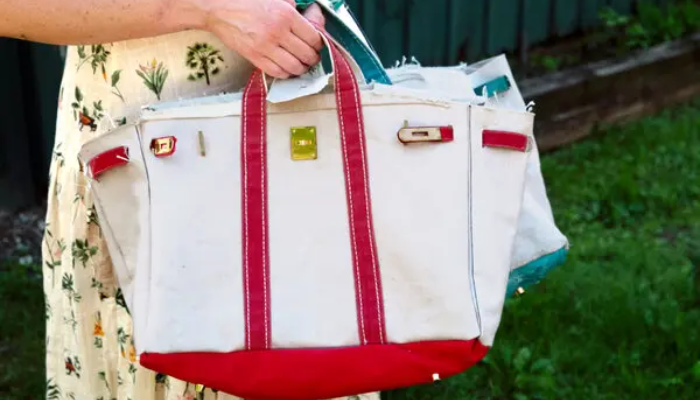
Boatkin is a term that has quietly surfaced and steadily gained attention among niche communities, creative circles, and identity-driven discussions. At its core, boatkin represents a deep personal connection to boats, maritime environments, or nautical symbolism—often extending beyond hobby or profession into identity, lifestyle, or emotional affinity. For some, boatkin is about feeling spiritually or psychologically linked to boats; for others, it expresses a cultural or aesthetic bond rooted in water-based living.
As language evolves, new words like boatkin emerge to capture experiences that older terminology fails to express. Boatkin fills that gap by blending self-identification, creativity, and maritime appreciation into a single, powerful concept. Whether viewed as an identity, subculture, or symbolic label, boatkin reflects how humans continue to find meaning through the natural world and the vessels that navigate it.
The Meaning and Origins of Boatkin
The meaning of boatkin can vary depending on context, but it generally refers to a person who identifies deeply with boats or boat-related existence. This identification may be emotional, symbolic, spiritual, or aesthetic. Some individuals feel that boats represent freedom, safety, or purpose, while others feel a profound sense of belonging when surrounded by watercraft or maritime settings.
The word itself combines “boat” with the suffix “-kin,” a linguistic element often used to imply closeness, identity, or belonging. In this sense, boatkin suggests kinship with boats—seeing them not just as objects, but as extensions of self or soul. This concept resonates strongly in online communities where personal identity and self-expression are increasingly fluid and individualized.
From an origin standpoint, boatkin likely evolved organically through digital spaces, where niche identities and labels form rapidly. As people search for language that accurately reflects their experiences, terms like boatkin become valuable tools for communication and connection.
Boatkin as an Identity and Lifestyle
For many, boatkin is more than a label—it’s a lifestyle. Individuals who identify as boatkin often incorporate nautical themes into daily life, including fashion, home décor, creative writing, or art. The presence of boats, harbors, or open water can evoke calm, inspiration, or a sense of authenticity that feels essential to their well-being.
This lifestyle may also involve a strong respect for maritime traditions and environments. Boatkin individuals often express interest in boating history, vessel design, or the symbolism of ships across cultures. Even without owning a boat, they may feel drawn to marinas, coastal towns, or river systems, finding comfort in the rhythms of water and navigation.
Boatkin identity emphasizes personal meaning rather than rigid definitions. There are no strict rules or expectations; instead, the lifestyle adapts to the individual. This flexibility makes boatkin appealing to creative thinkers and those seeking a sense of belonging outside traditional categories.
The Cultural and Creative Expression of Boatkin
Boatkin has found a natural home within creative communities. Writers, artists, and designers often use boatkin as a thematic foundation for storytelling or visual expression. Boats symbolize journeys, transformation, isolation, and connection—concepts that translate powerfully into creative work.
In visual art, boatkin themes may include drifting vessels, abandoned ships, or imagined watercraft representing emotional states. In writing, boatkin narratives frequently explore freedom, identity, and the relationship between humanity and water. This makes the concept especially compelling in poetry, speculative fiction, and personal essays.
Culturally, boatkin reflects a broader movement toward self-defined identity. Instead of fitting into predefined roles, people increasingly create language that mirrors how they feel internally. Boatkin becomes a creative shorthand for complex emotional landscapes tied to the sea, travel, and self-discovery.
Psychological and Emotional Connections Behind Boatkin
The emotional pull of boatkin often stems from psychology rather than practicality. Boats are liminal spaces—neither fully land nor fully sea—which makes them powerful symbols for people who feel “in between” stages of life or identity. This psychological resonance explains why some individuals feel an intense attachment without logical explanation.
Water itself has long been associated with emotional regulation, calmness, and introspection. Boatkin individuals may find that boats represent safety during emotional turbulence or independence during times of transition. The structured nature of a vessel paired with the unpredictability of water mirrors many human experiences.
From an emotional standpoint, boatkin offers validation. Having a word to describe a deep, personal connection can reduce feelings of isolation and help individuals articulate parts of themselves that were previously hard to explain.
The Future of Boatkin in Digital and Social Spaces
As digital culture continues to expand, boatkin is likely to evolve and gain wider recognition. Online platforms encourage micro-communities where niche identities can thrive, share experiences, and refine definitions. Boatkin fits naturally into this ecosystem, offering both individuality and community connection.
In the future, boatkin may influence branding, storytelling, or virtual identity spaces. As people increasingly curate their online personas, expressive identifiers like boatkin help communicate values, aesthetics, and emotional orientation quickly and meaningfully.
The adaptability of boatkin ensures its longevity. Whether embraced as an identity, creative motif, or philosophical idea, it reflects modern humanity’s desire to blend environment, emotion, and self-definition into cohesive narratives.
Conclusion: Why Boatkin Matters More Than You Think
Boatkin is more than a word—it’s a reflection of how people seek meaning in connection, symbolism, and personal truth. By offering language for deep maritime affinity, boatkin allows individuals to express identity in ways that feel authentic and emotionally grounded.
As society becomes more accepting of fluid and self-defined identities, concepts like boatkin highlight the power of language to shape belonging. Whether you resonate with boatkin as a lifestyle, creative idea, or emotional symbol, its growing presence signals a broader cultural shift toward introspection, individuality, and connection with the natural world.
Frequently Asked Questions (FAQs)
1. What does boatkin mean?
Boatkin refers to a deep personal or emotional identification with boats or maritime symbolism.
2. Is boatkin a lifestyle or an identity?
Boatkin can be both, depending on how an individual chooses to express it.
3. Do you need to own a boat to be boatkin?
No, boatkin is about emotional or symbolic connection, not ownership.
4. Is boatkin related to spirituality?
For some people, boatkin has spiritual elements, but it is not inherently religious.
5. Where did the term boatkin originate?
Boatkin likely emerged organically from online and creative communities.
6. Is boatkin considered a subculture?
It can be viewed as a niche subculture, especially in digital spaces.
7. Can boatkin influence art and creativity?
Yes, many artists and writers use boatkin themes in creative expression.
8. Is boatkin similar to other identity labels?
Boatkin shares similarities with identity-based labels but remains uniquely maritime-focused.
9. Can someone stop identifying as boatkin?
Yes, identity is personal and can change over time.
10. Why is boatkin becoming more popular?
Its rise reflects modern interest in self-expression, symbolism, and niche identity language.
About the Author