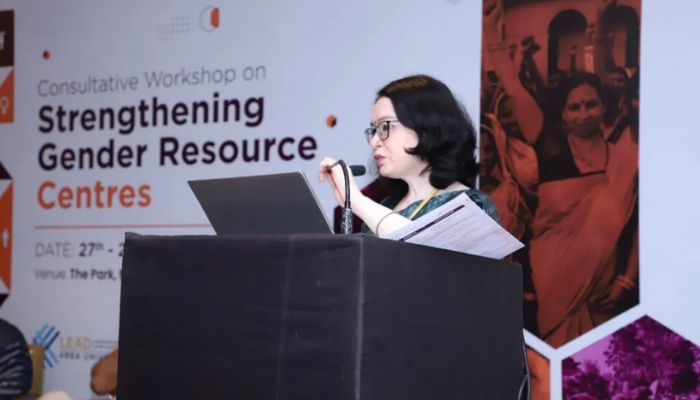
A gender resource centre plays a critical role in shaping inclusive, informed, and equitable societies. As conversations around gender identity, equality, and social justice continue to evolve, these centres serve as trusted spaces for education, support, and advocacy. Whether operating within universities, workplaces, nonprofits, or local communities, a gender resource centre helps individuals navigate complex gender-related issues with clarity and compassion.
More than just informational hubs, gender resource centres foster dialogue, empower marginalized voices, and provide tangible resources that promote understanding and respect. From policy guidance and counseling referrals to educational programs and leadership development, these centres bridge gaps between awareness and action. This article explores the purpose, impact, and future of a gender resource centre, highlighting why such spaces are essential in today’s world.
Understanding the Purpose of a Gender Resource Centre
A gender resource centre is designed to support individuals of all gender identities by offering access to educational materials, advocacy initiatives, and community-building opportunities. Its core mission is to create environments where gender equity and inclusion are not only discussed but actively practiced. These centres often serve as safe spaces where people can explore gender-related topics without fear of judgment or discrimination.
Beyond individual support, a gender resource centre contributes to systemic change. By providing research-based insights and hosting awareness programs, it helps organizations and communities challenge harmful stereotypes and biases. The centre becomes a catalyst for social transformation, encouraging policies and practices that recognize gender diversity as a strength rather than a challenge.
Another key purpose of a gender resource centre is to act as a connector. It brings together educators, activists, students, professionals, and community members who share a commitment to equality. Through collaboration and shared learning, the centre amplifies collective impact, ensuring that gender-focused initiatives are inclusive, intersectional, and sustainable.
Key Services and Programs Offered by a Gender Resource Centre
One of the most valuable aspects of a gender resource centre is its wide range of services. These may include educational workshops, gender sensitivity training, peer support groups, and access to curated research materials. Such services help individuals deepen their understanding of gender issues while developing practical skills to foster inclusive environments in their personal and professional lives.
Many gender resource centres also provide advocacy and advisory services. They may assist with policy development, grievance redressal, and best practices for gender equity. By offering expert guidance, the centre helps institutions align their values with actionable strategies, ensuring that commitments to equality translate into real-world outcomes.
In addition, a gender resource centre often plays a vital role in mentorship and leadership development. Programs focused on empowering women, non-binary individuals, and gender-diverse communities help address representation gaps. These initiatives build confidence, enhance career readiness, and encourage participants to become change-makers within their own spheres of influence.
The Role of a Gender Resource Centre in Education and Awareness
Education lies at the heart of every gender resource centre. Through seminars, campaigns, and resource development, these centres promote accurate, inclusive knowledge about gender. This educational role is essential in countering misinformation and fostering respectful dialogue around sensitive topics such as gender identity, expression, and equality.
A gender resource centre also supports educators and trainers by offering tools and frameworks for inclusive teaching. By integrating gender-sensitive approaches into curricula and training programs, the centre helps normalize diversity and inclusion across learning environments. This proactive approach ensures that gender awareness becomes an integral part of education rather than an afterthought.
Awareness initiatives led by a gender resource centre often extend beyond formal education. Community outreach programs, storytelling events, and cultural observances help bring gender conversations into everyday life. These efforts humanize abstract concepts, making them relatable and impactful for broader audiences.
How a Gender Resource Centre Strengthens Communities
A strong gender resource centre contributes directly to healthier, more resilient communities. By providing safe spaces for dialogue and support, it helps reduce isolation and fosters a sense of belonging among individuals who may otherwise feel marginalized. This emotional and social support is critical for overall well-being.
Community-building is another cornerstone of a gender resource centre’s work. Through events, support networks, and collaborative projects, the centre encourages collective action. These initiatives help communities address shared challenges, from workplace inequality to social stigma, in a coordinated and informed manner.
Moreover, a gender resource centre often acts as a bridge between different community groups. By promoting intersectional perspectives, it ensures that conversations around gender also consider factors such as race, culture, ability, and socioeconomic status. This holistic approach strengthens social cohesion and promotes empathy across diverse populations.
The Future of Gender Resource Centres in a Changing World
As societies continue to evolve, the role of a gender resource centre is becoming increasingly dynamic. Emerging conversations around digital spaces, mental health, and global gender movements are shaping the future direction of these centres. Adaptability and innovation will be key to remaining relevant and impactful.
Technology is expected to play a larger role in the evolution of a gender resource centre. Virtual workshops, digital libraries, and online support networks can expand reach and accessibility. These tools allow centres to serve wider audiences while maintaining the personalized support that defines their mission.
Looking ahead, a gender resource centre will likely become even more integral to policy development and leadership training. As organizations recognize the value of inclusive cultures, these centres will serve as strategic partners in shaping equitable systems. Their continued growth reflects a broader commitment to dignity, respect, and equality for all genders.
Conclusion
A gender resource centre is far more than a physical or organizational entity—it is a beacon of inclusion, education, and empowerment. By addressing individual needs while driving systemic change, these centres play a pivotal role in advancing gender equity. They provide the tools, knowledge, and support necessary to create environments where everyone can thrive.
As awareness grows and societal expectations shift, the importance of a gender resource centre will only continue to rise. Investing in and supporting these centres is not just a step toward fairness; it is a commitment to building informed, compassionate, and resilient communities for the future.
Frequently Asked Questions (FAQs)
1. What is a gender resource centre?
A gender resource centre is a dedicated space that provides education, support, and advocacy related to gender equality and inclusion.
2. Who can benefit from a gender resource centre?
People of all genders, including students, professionals, educators, and community members, can benefit from its services.
3. What types of resources are available at a gender resource centre?
Resources may include research materials, training programs, workshops, counseling referrals, and advocacy tools.
4. Is a gender resource centre only for women?
No, a gender resource centre supports individuals of all gender identities and promotes inclusive perspectives.
5. How does a gender resource centre promote equality?
It promotes equality through education, policy guidance, awareness campaigns, and community engagement.
6. Can organizations partner with a gender resource centre?
Yes, many centres collaborate with organizations to provide training, консультация, and strategic support.
7. Are gender resource centres involved in policy development?
Many centres contribute to policy-making by offering research-based recommendations and best practices.
8. Do gender resource centres provide mental health support?
While they may not offer direct therapy, they often provide referrals and supportive programs focused on well-being.
9. How does a gender resource centre address intersectionality?
It considers how gender intersects with race, culture, ability, and other identities to ensure inclusive solutions.
10. Why are gender resource centres important today?
They help navigate evolving gender conversations, combat discrimination, and build inclusive, informed communities.
About the Author